Lao PDR
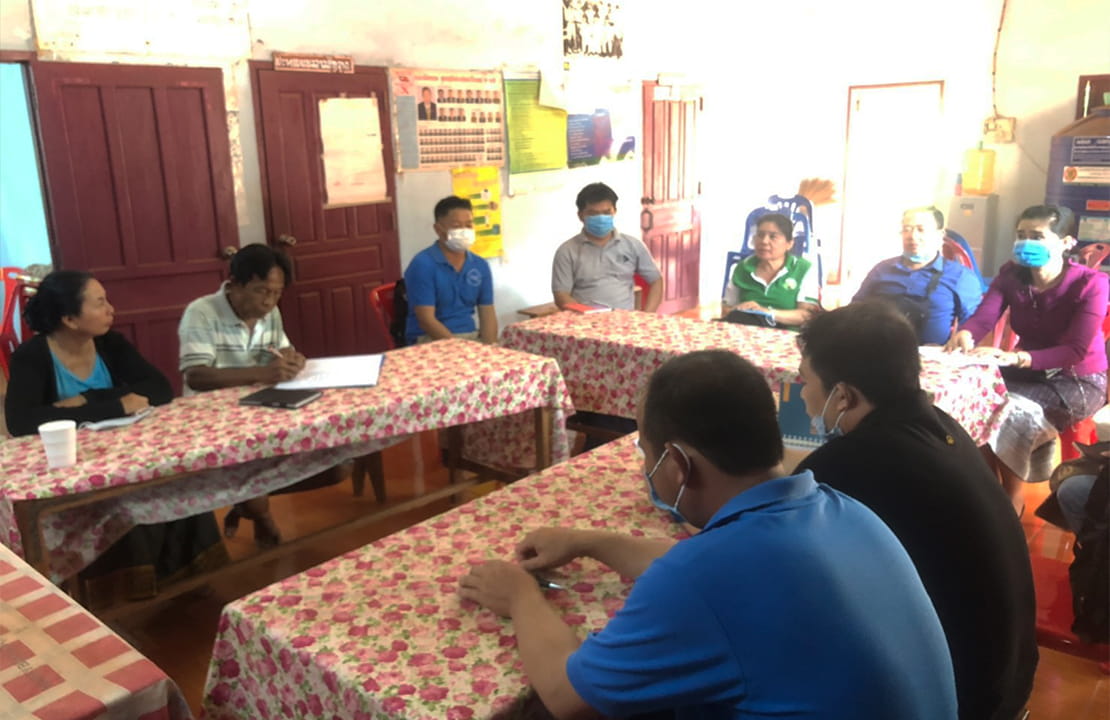
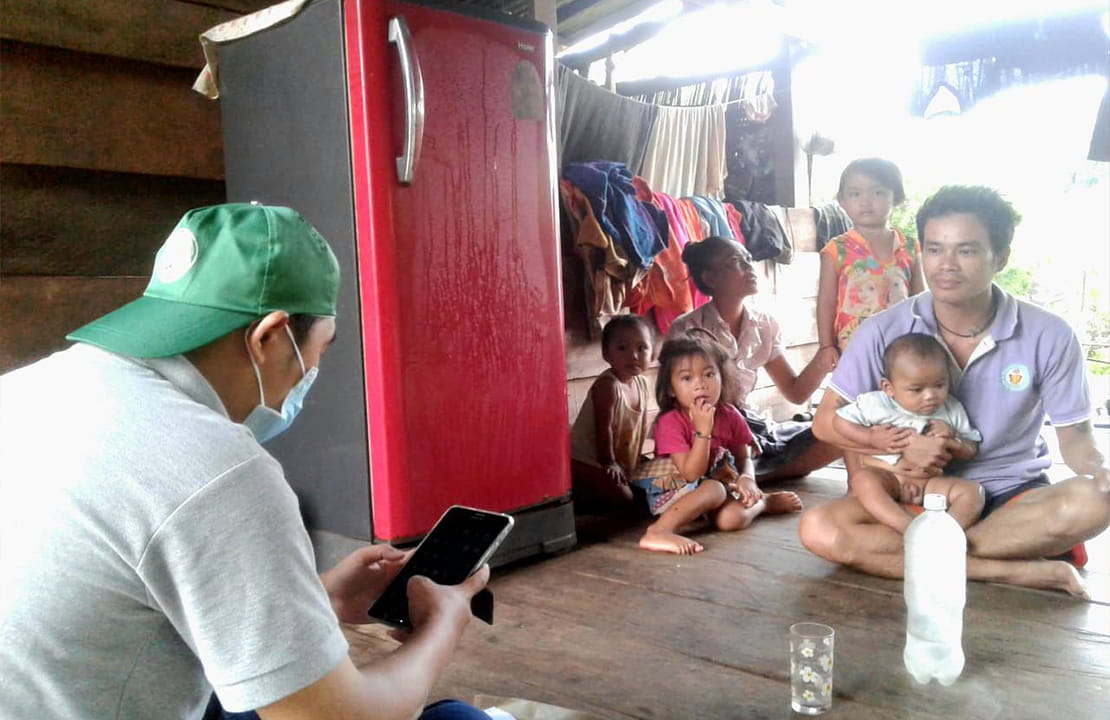
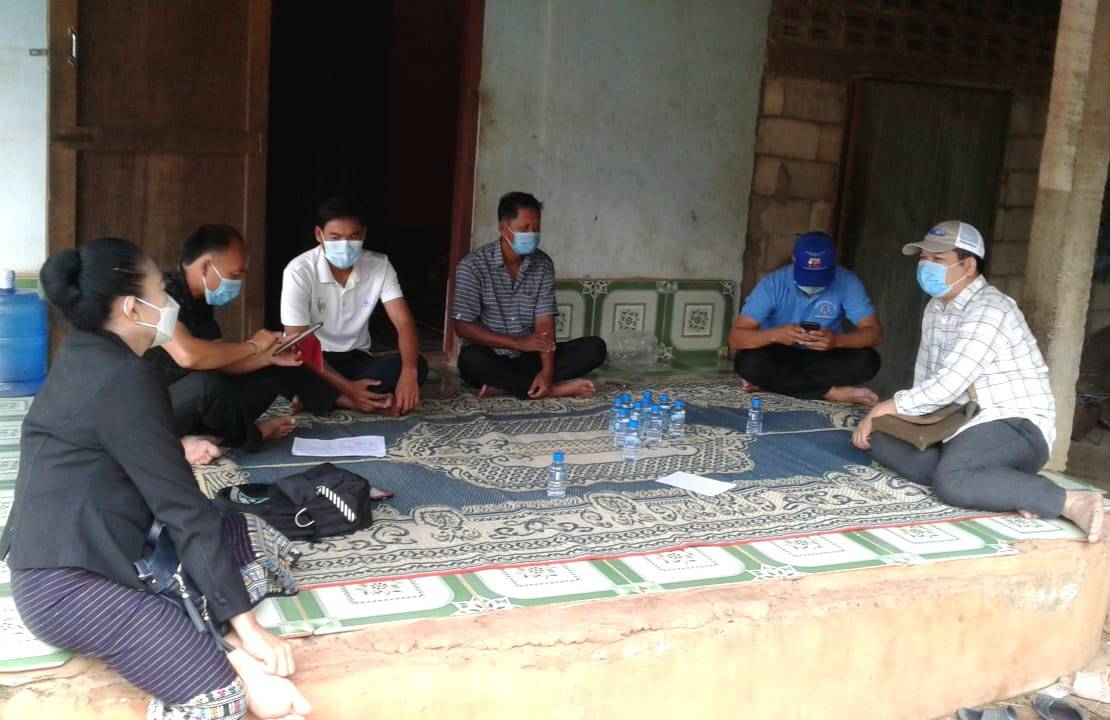
Khammouane Province is a province in the center of Laos. It is a very suitable province for this pilot survey of the “Project for Supporting Agricultural Survey on Promoting Sustainable Agriculture because Khammouane Province is consists of various agricultural productions such as crops, livestock, fishery, aquaculture, non-timber forestry products, and forest. Especially,it is cover all lowland, hill, and upland area. It is a priority province of agriculture and forestry development plan of the Ministry of Agriculture and Forestry of Laos for commodity production, and food security. Khammouane Province covers an area of 16,315 square kilometers and is mostly of forested mountainous terrain. Many streams flow through the province to join the Mekong River. The vast forests of the Nakai-Nam Theun National Park are an important watershed that feeds many Mekong tributaries as well as form the catchment area for Nam Theun 2, the largest hydropower project in Laos. The population of the province according to the 2015 Population census is 392,052.
AFSIS Secretariat has been providing time series data by Database, as well as reports on supply and demand information and production forecasts for five main crops. These reports are known as the Agricultural Commodity Outlook (ACO) and Early Warning Information (EWI). Initially, the activities focused only rice-related data, but over time, the scope expanded to include all five major crops in alignment with the AFSIS database. Under the implementation of the SAFER project, the AFSIS Focal Points had discussed on the appropriate agricultural commodity to be added as a new target commodity apart from five main crops. Following deliberations, the meeting concluded that “Laying Hens” would be the new commodity added to the AFSIS Database, as well as the ACO and EWI reports. The AFSIS Secretariat developed a guidebook outlines the data collection process and provides clear definitions and descriptions of the necessary data items to support the integration of this new commodity into AFSIS’s reporting mechanisms.
Sub-indicator 1:
Farm output value per hectare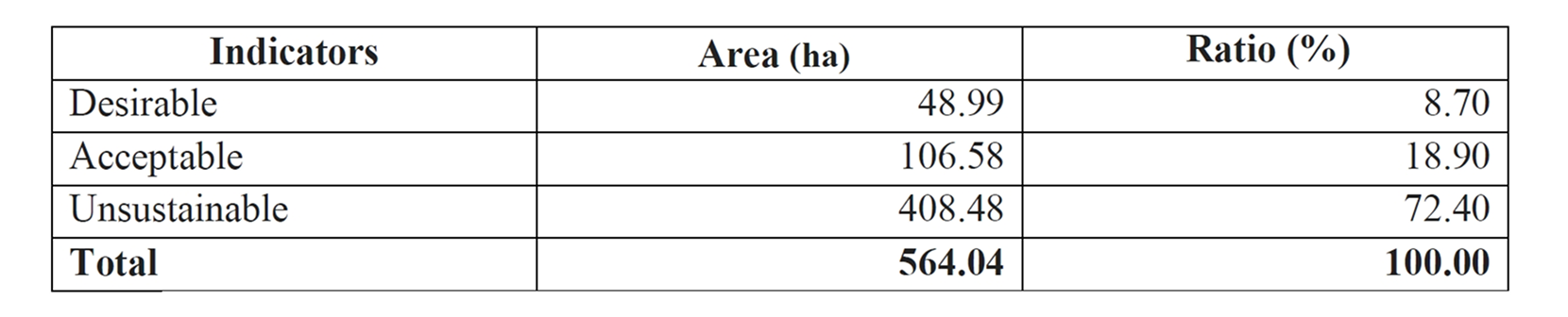
Sub-indicator 2:
Net farm income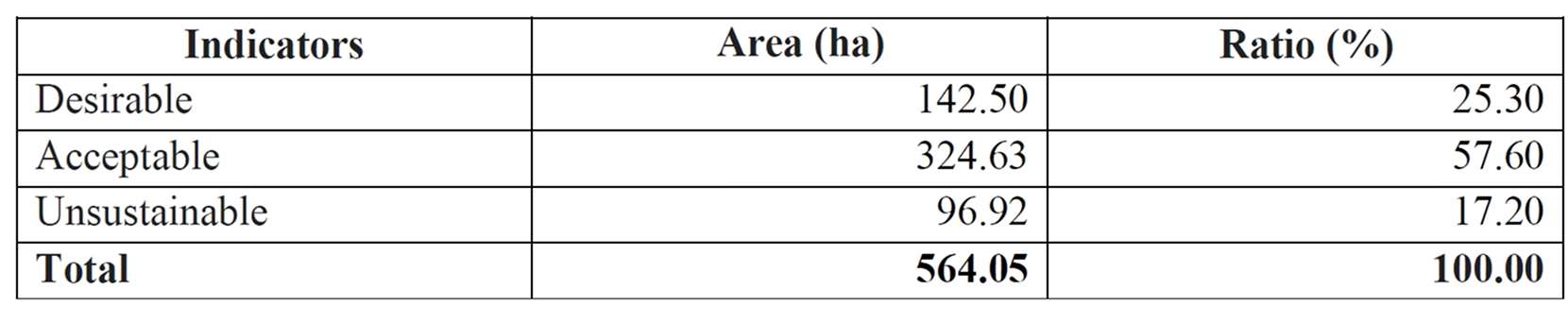
Sub-indicator 3:
Risk mitigation mechanisms
Sub-indicator 4:
Prevalence of soil degradation
Sub-indicator 5:
Variation in water availability
Sub-indicator 6:
Management of fertilizers
Sub-indicator 7:
Management of pesticides
Sub-indicator 8:
Use of biodiversity-supportive practices
Sub-indicator 9:
Wage rate in agriculture
Sub-indicator 10:
Food insecurity experience scale (FIES)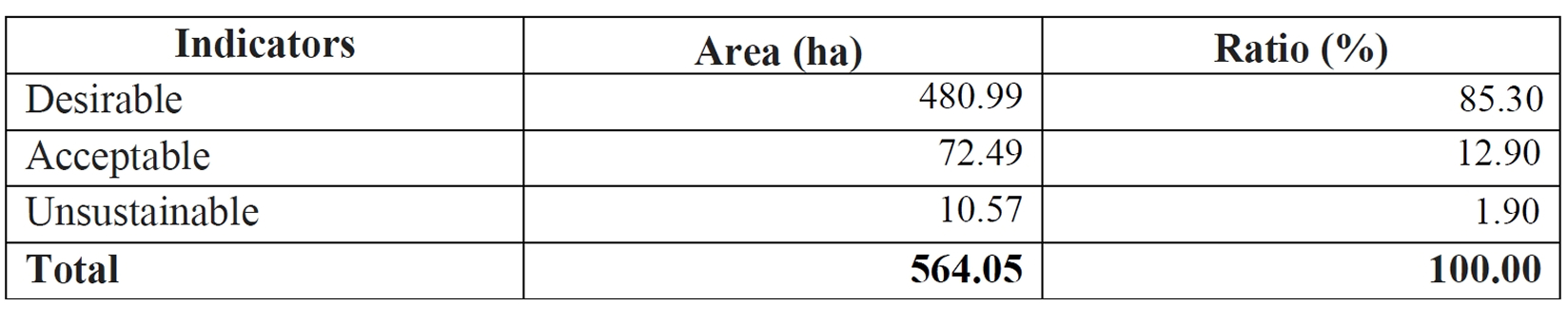
Sub-indicator 11:
Secure tenure rights to land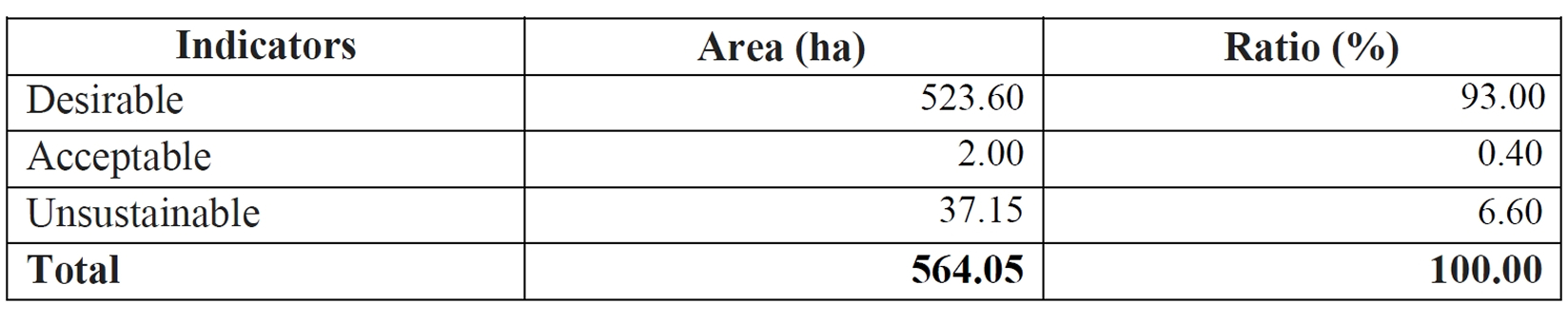
SDG 2.4.1 Dashboard
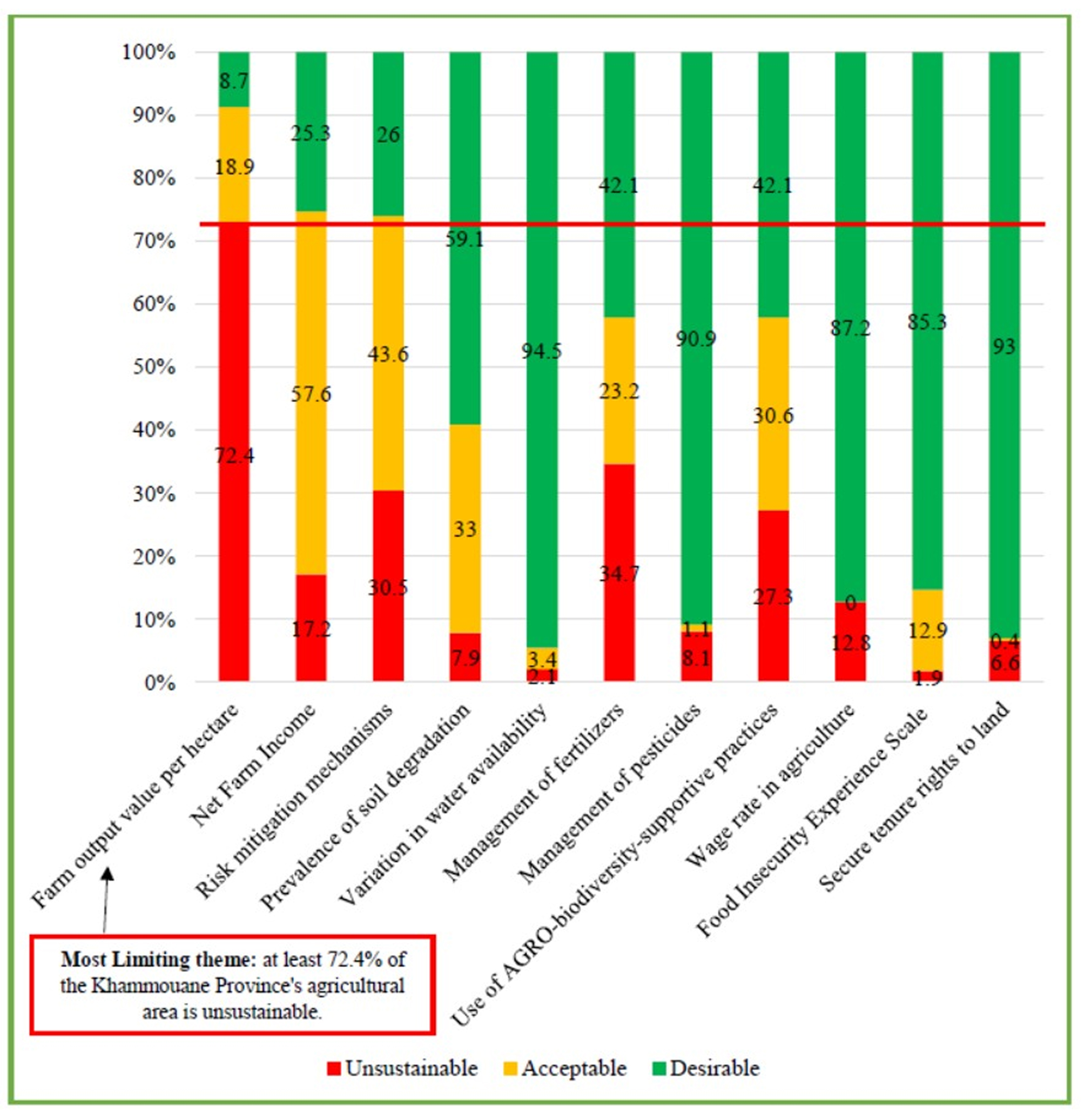
The result from the survey in Khammouane Province shown that there is only Sub-indicator 1: Farm output value per hectare have high percentage of unsustainable 72.4% that in line with all most farm households cultivated rice around 204 of 218 households, but the yield is quite low, the average yield is 2.18 tones/hectares and the price of paddy rice is also low, the average is 3,284 kip/kg which effect to Sub-indicator 2: Net farm Income, have 57.6% of Acceptable.
- The government should find ways to increase crop and livestock productivities of farmers by introducing new technologies including state-of-the-art equipment and machinery.
- The government should support and promote farmers in establishing farmer associations or agricultural cooperatives to have more strong bargaining power especially for smallholder farmers. Moreover the government should organize the training program for the farmers on how to apply improved crop varieties and use chemical fertilizer on crop cultivation in an appropriate way to achieve higher productivity.
- The government should pay more attention in extending services and improving technology in farming as both factors in agricultural sector are still practiced in a small scale which leads to low production.
- It would be better if the survey period match with the crop growth stage of Lao PDR because it is very complicated and confusing for respondents and difficult to obtain accurate data when asking farmers and crop-producing companies about their production and value. Furthermore, some definitions such as type of pesticide, chemical fertilizer...etc were not familiar to Lao people and it was difficult for the enumerators and respondents to understand. Thus, if the questions are adjusted to the contexts of Laos, the answers will be smoother and more accurate.
- There are difficulties in merging all data into one file as some data were exported from CAPI in separated files. In the future, this problem might have been solved by keying zero (0) in the CAPI in case some question is not applicable (N/A) instead of leaving it blank or use another software for data analysis such as STATA, Eview, R software which CAPI can export roster question data easily.
- The government and other donors should continuously be supporting agricultural surveys in the whole country of Laos on SDG indicator 2.4.1 to know the status of sustainable agriculture in Laos, and also promote and improve sustainable agriculture in the future.
This output focuses on strengthening the capacity of officers from ASEAN Member Countries, in collaboration with JAXA and RESTEC, to develop the necessary skills to operate the INAHOR system using satellite imagery (ALOS-2 data) for estimating rice cultivation areas in target regions. Upon completion of the training, participants are expected to be able to prepare training data for INAHOR, estimate rice cultivation areas in their respective countries, and generate corresponding maps using the software. Furthermore, they will be equipped with the knowledge and capability to adopt and integrate satellite-based technologies into agricultural statistics within their national statistical systems. The AFSIS Secretariat conducted both regional workshops for member countries and in-countries activity in Lao PDR, Cambodia in 2023, Thailand and Vietnam in 2024, and Indonesia and Myanmar in 2025, respectively.
SAS-PSA Project in Lao PDR A pilot study on SDG indicator 2.4.1 in Khammouane Province, Lao PDR
Download PDF