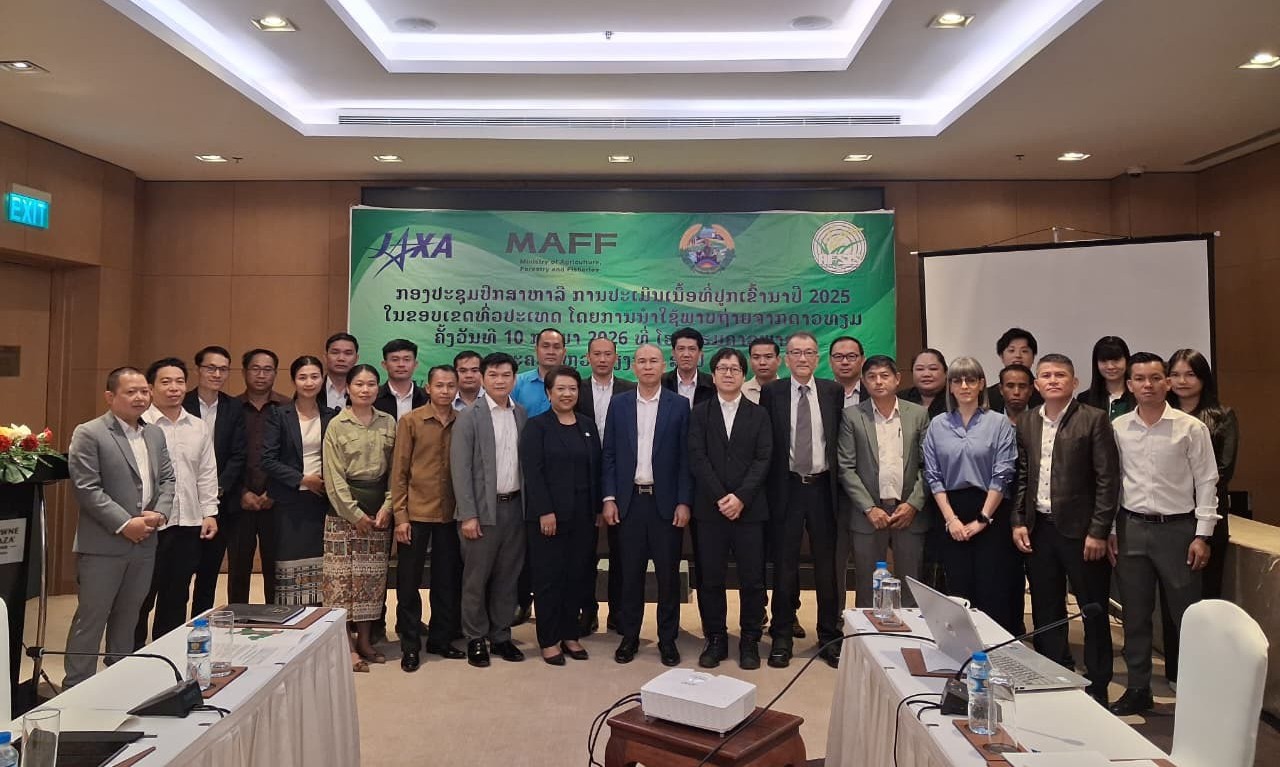
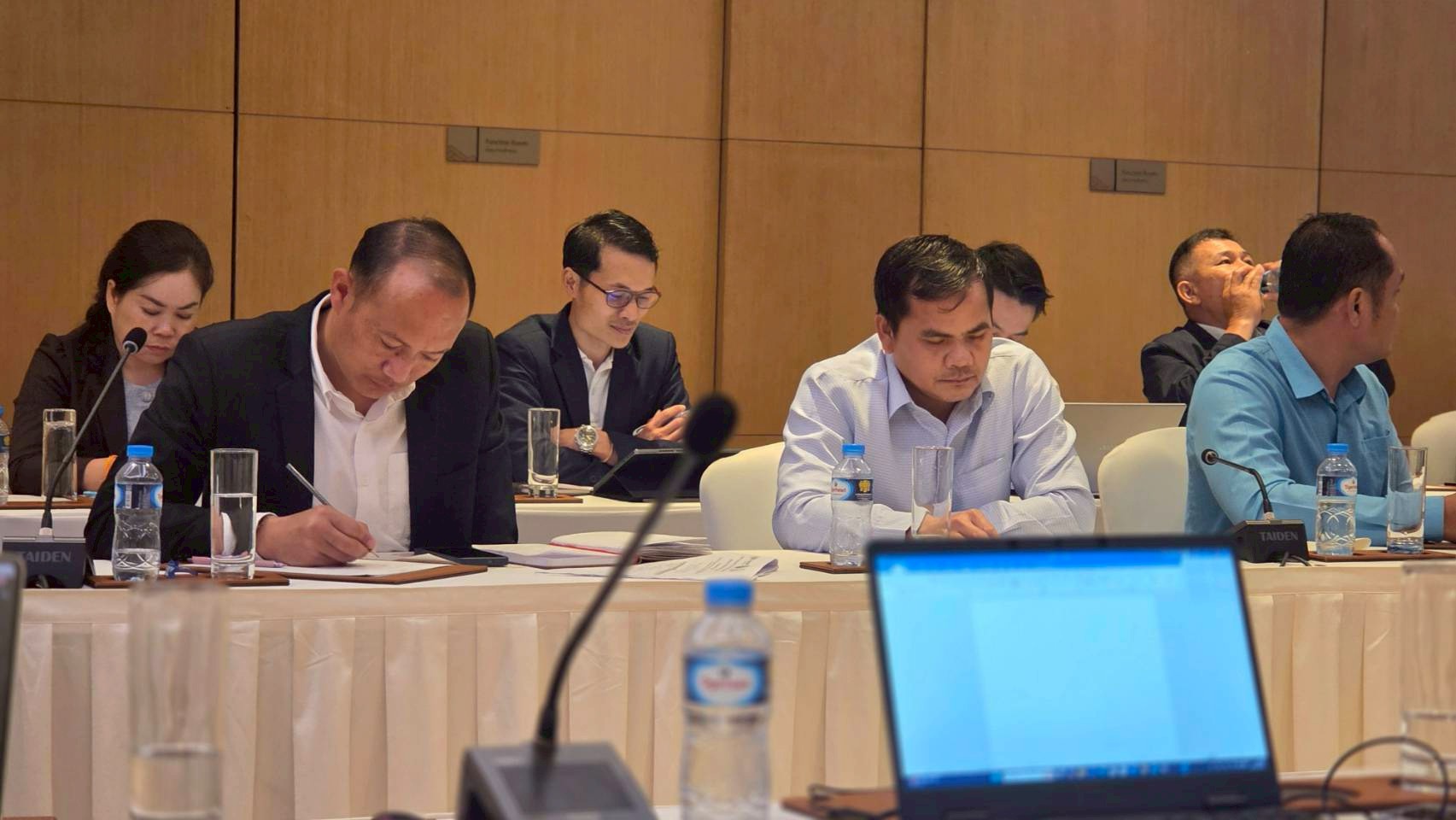
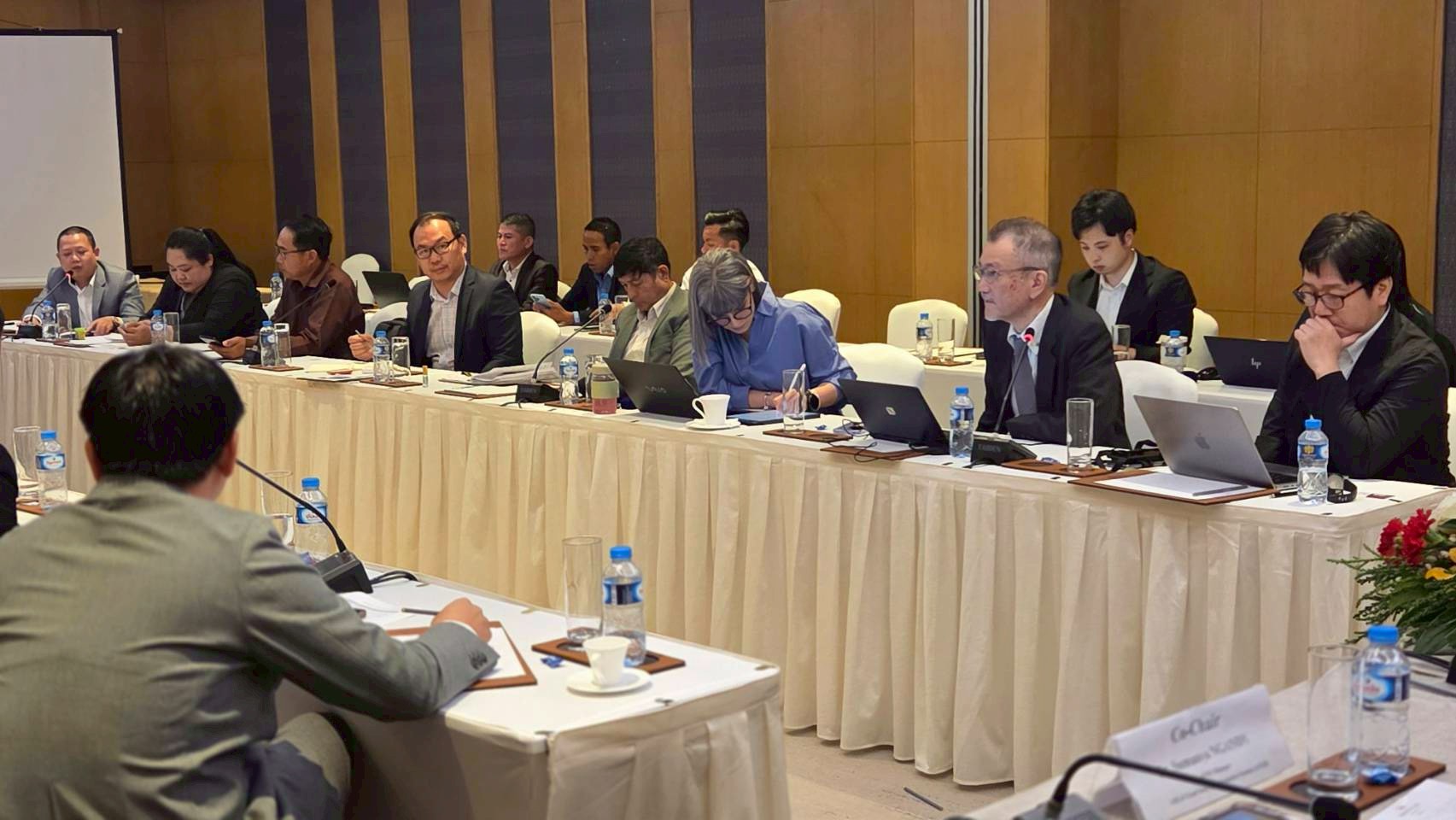
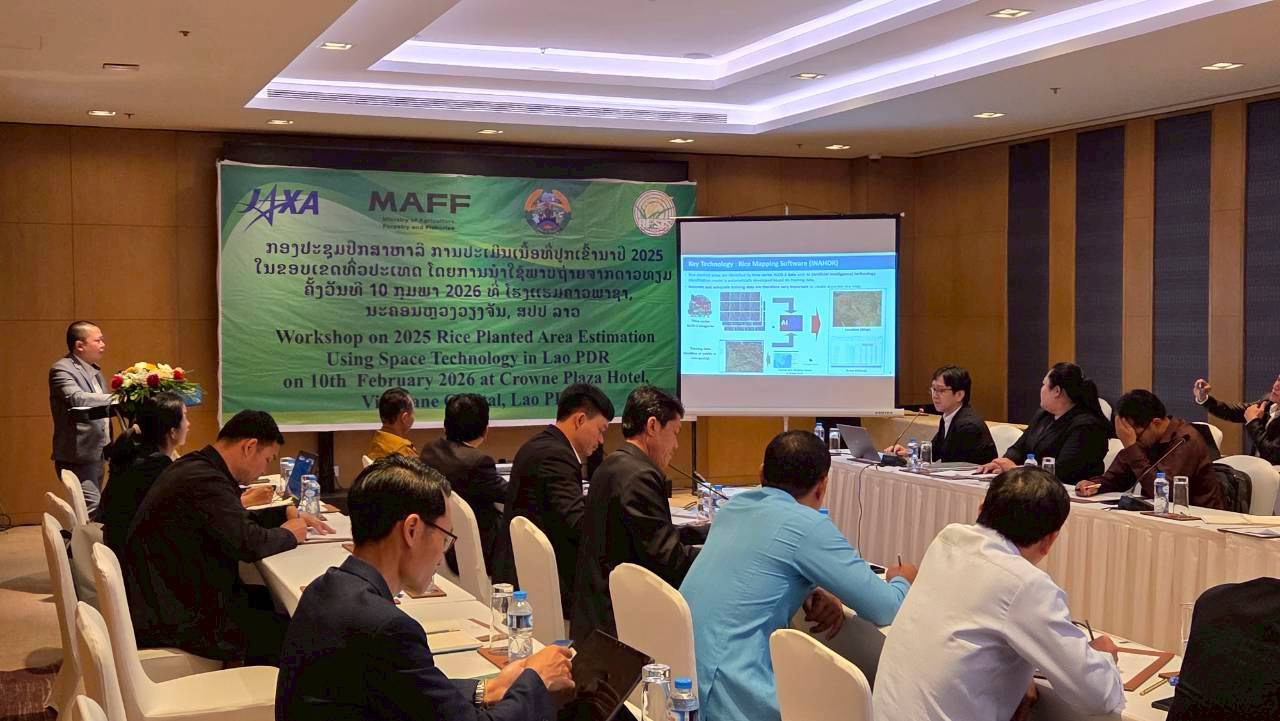
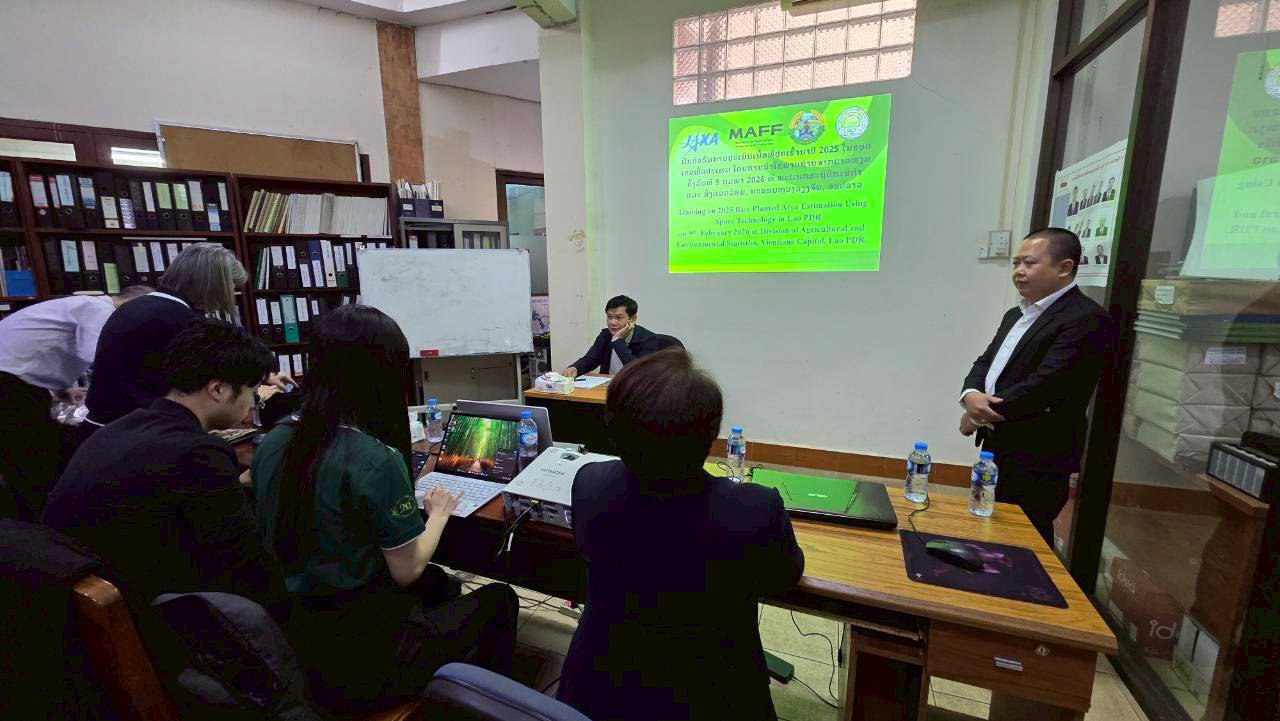
The In-Country Workshop on Promoting Rice Planted Area and Production Estimation Using Space-based Technologies in Lao PDR was jointly organized by the AFSIS Secretariat, the Japan Aerospace Exploration Agency (JAXA), the Ministry of Agriculture, Forestry and Fisheries (MAFF), Japan, and Ministry of Agriculture and Environment (MAE) under the Project for ASEAN Food Security Information System – Geospatial Informalization Support (AFSIS-GIS) and the Space Applications for Environment (SAFE) Project. The event was held in Vientiane, Lao PDR, with a hands-on training session on 9 February 2026 and a workshop on 10 February 2026.
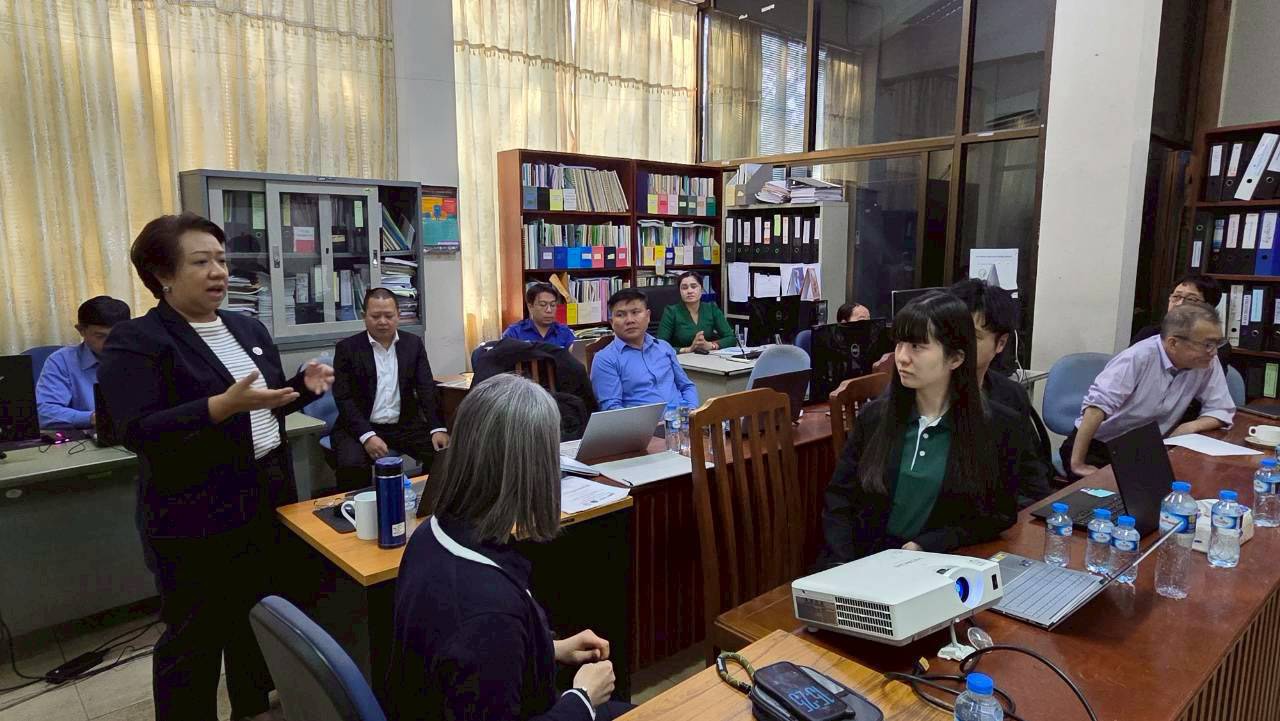
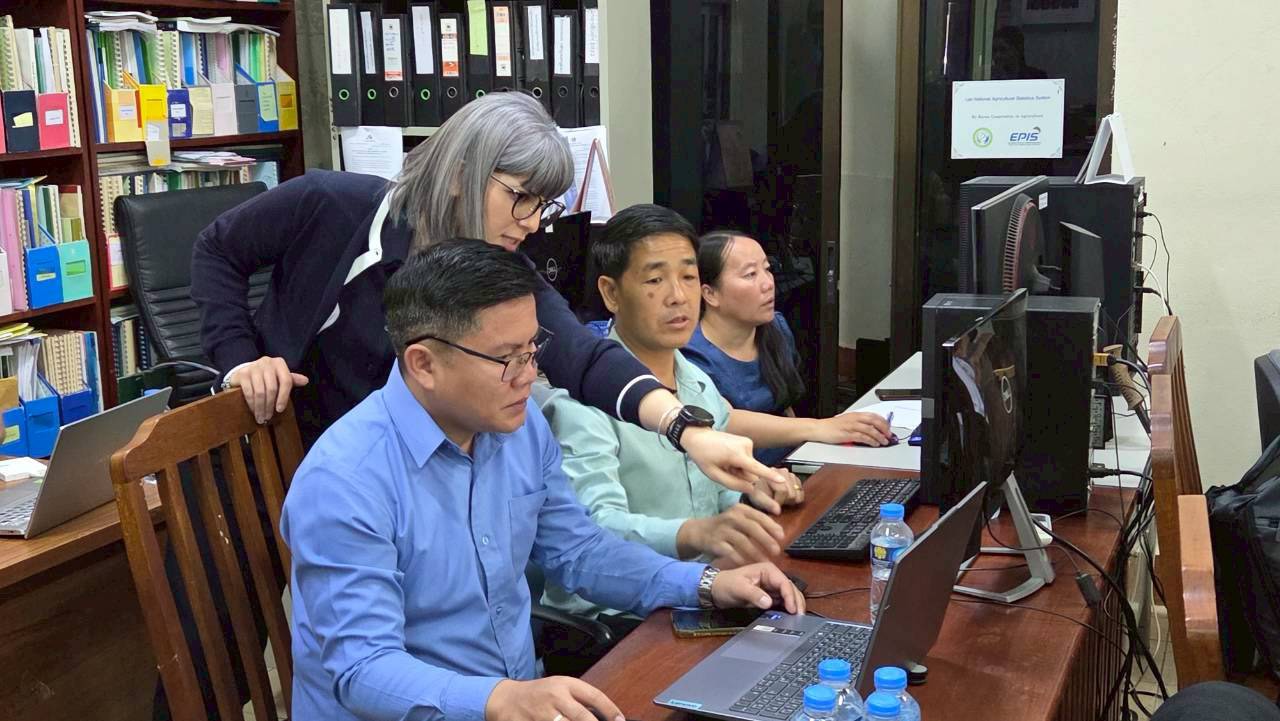
The hands-on training was officially opened by Mr. Phonsavanh Vanmixay, Director of the Division of Agricultural and Environmental Statistics (DAES), MAE, Lao PDR. The training aimed to enhance technical capacity of DAES staff in operating the INAHOR system for rice planted area estimation. Eight staff members participated in the training.
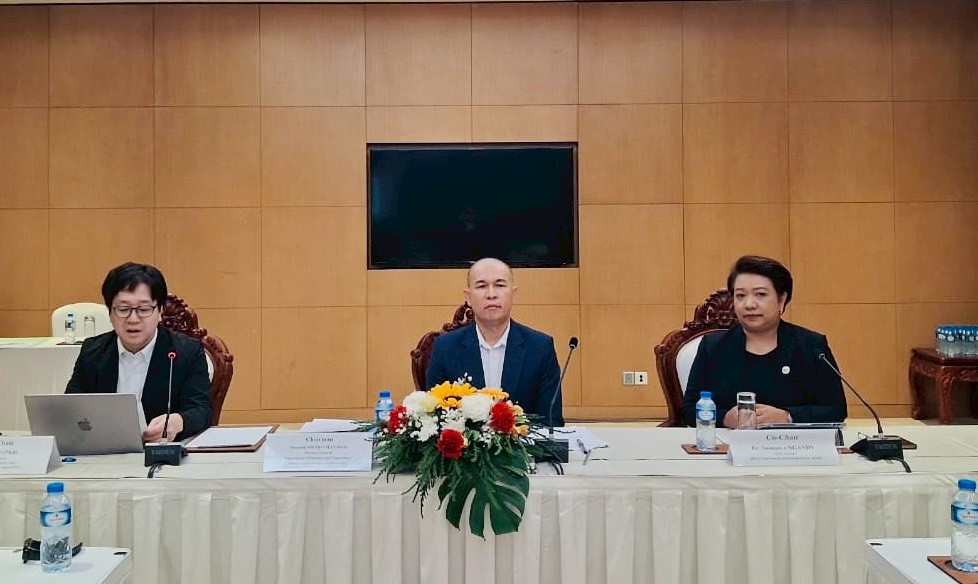
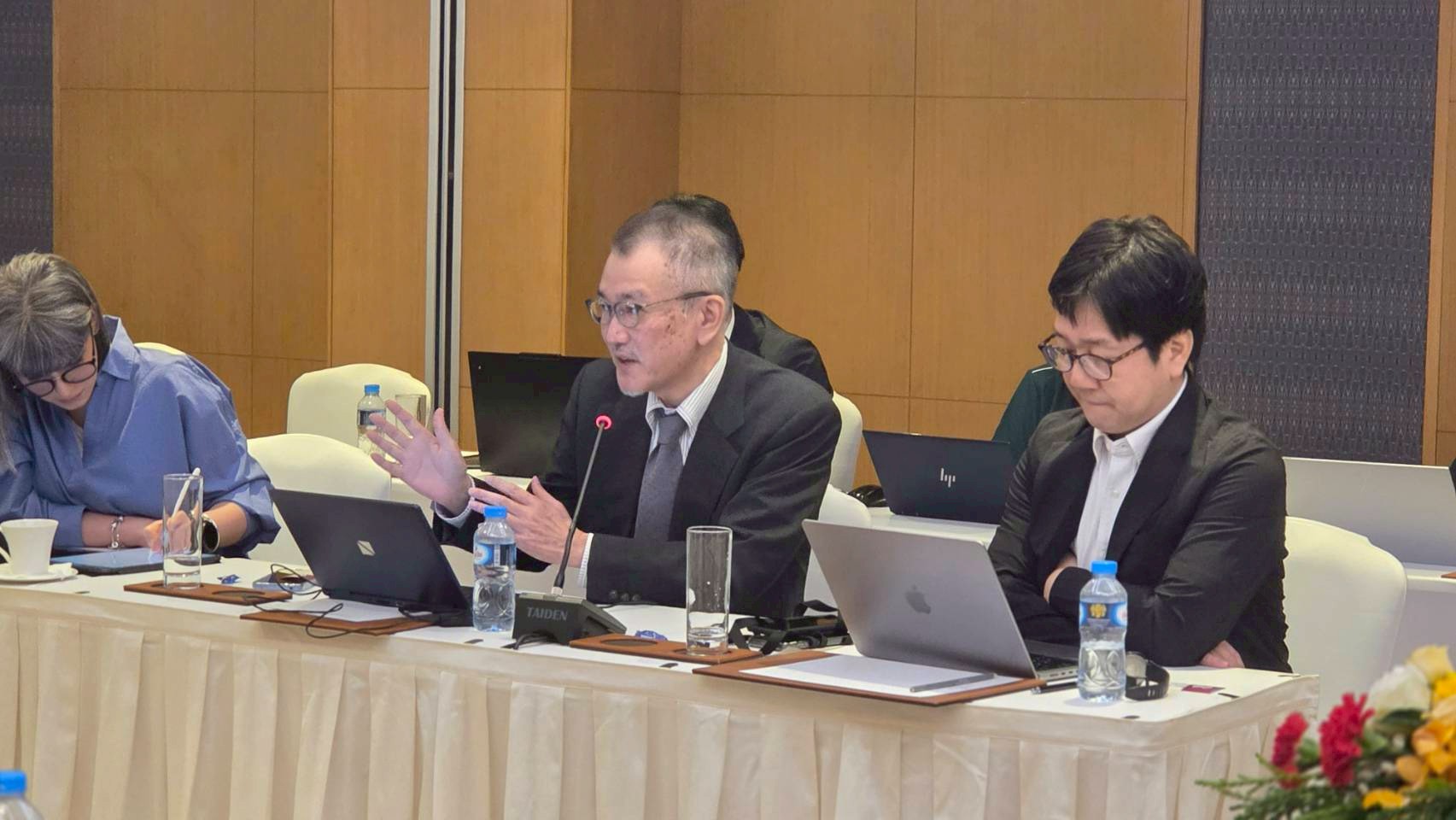
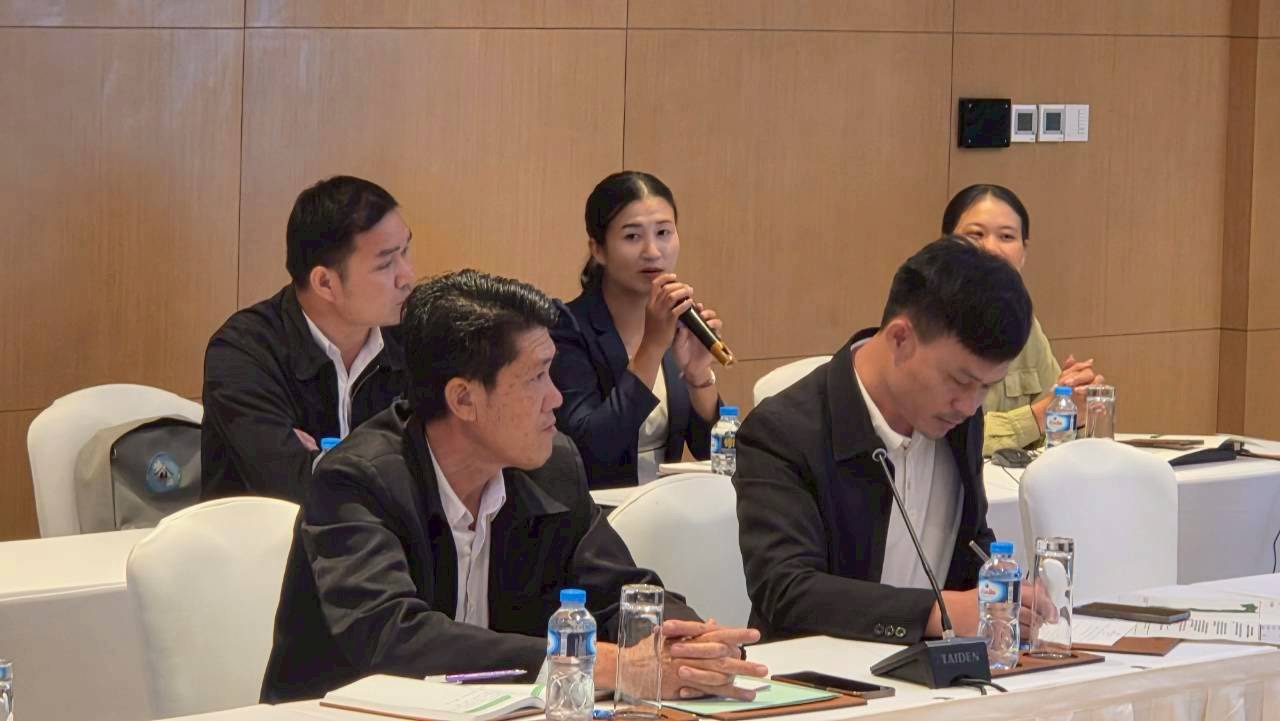
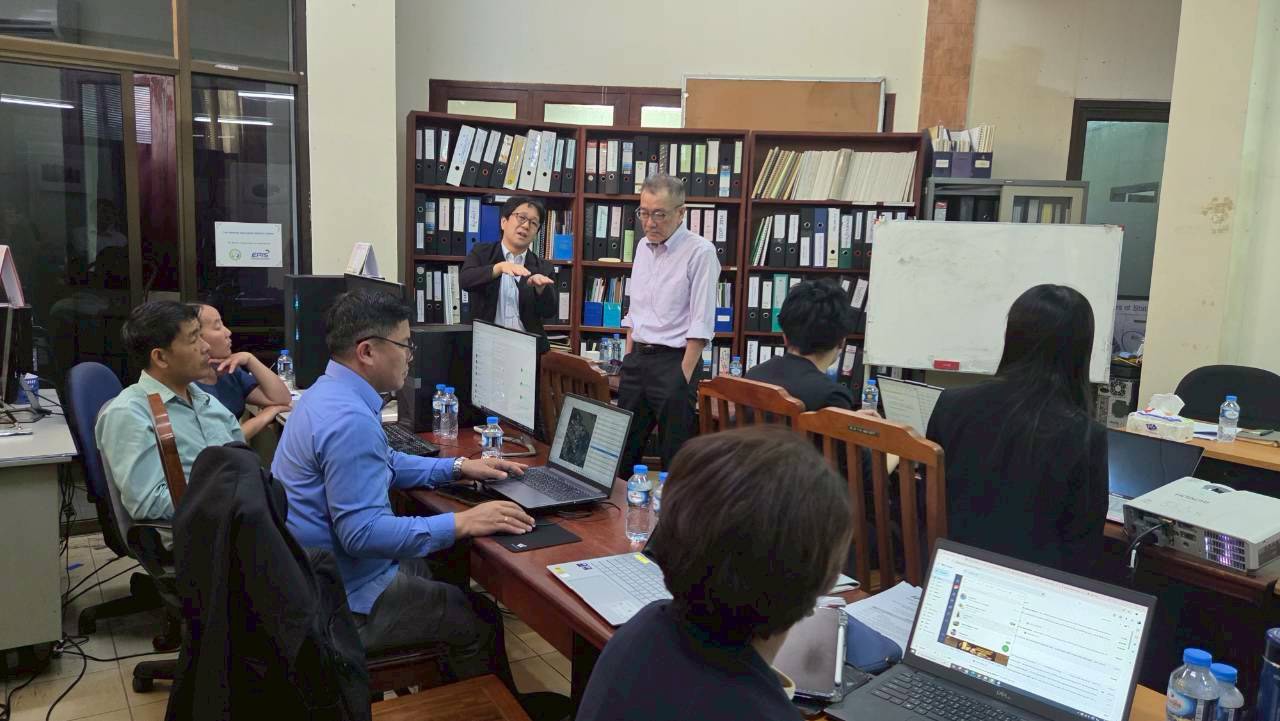
The workshop on 10 February 2026 was opened by Dr. Boundeth Soutthavilay, Director General of the Department of Planning and Cooperation (DOPC), MAE, Lao PDR, and Dr. Sumanya Ngandee, AFSIS Manager. The program included presentations on the overview of the SAFE Project and INAHOR as well as the 2025 rainy season rice planted area estimation results in Lao PDR. The workshop brought together regional representatives from 18 provinces to discuss working methods for validating district-level rice planted area and applying the results to provincial operations.
The event was successfully completed through the strong cooperation of the Ministry of Agriculture and Environment of Lao PDR and relevant partner organizations, contributing to the effective use of space-based technologies to strengthen agricultural statistics and food security information systems in Lao PDR
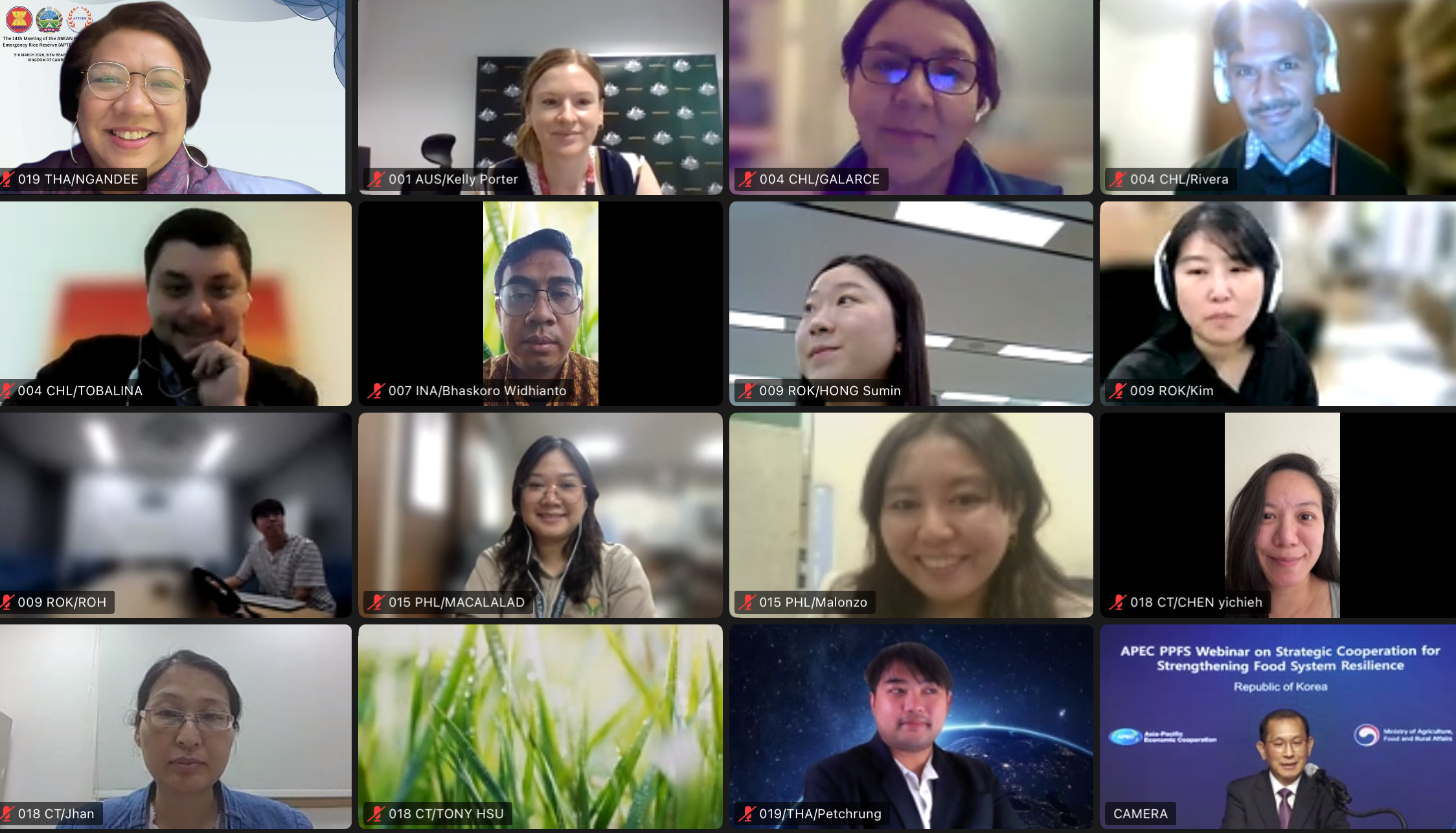
On 29 July 2026, the APEC Policy Partnership on Food Security (PPFS) successfully convened the APEC PPFS Webinar on Strategic Cooperation for Strengthening Food System Resilience via a virtual platform. The webinar was organized by the Ministry of Agriculture, Food and Rural Affairs (MAFRA) of the Republic of Korea as a self-funded PPFS project to promote strategic cooperation and knowledge exchange on strengthening food system resilience across APEC member economies.

The AFSIS Secretariat participated in the 10th International Conference on Agricultural Statistics (ICAS X), held from 8 to 10 July 2026 at the ICE Krakow Congress Centre in Krakow, Poland. Jointly organized by Statistics Poland, Eurostat, the United States Department of Agriculture (USDA), the World Bank Group, and the Food and Agriculture Organization of the United Nations (FAO).
.JPG)
On 24–25 June 2026, AFSIS Secretariat participated in the 46th Meeting of the ASEAN Food Security Reserve Board (AFSRB) via a virtual conference. The Meeting was jointly organized by the AFSRB Secretariat and the Department of Agriculture (DOA), Ministry of Agriculture, Livestock and Irrigation (MOALI) of the Republic of the Union of Myanmar, and was hosted in Nay Pyi Taw, Myanmar.

On 17–18 June 2026, the 24th AFSIS Focal Point Meeting was successfully convened via video conference, hosted by the Philippine Statistics Authority (PSA) in collaboration with the ASEAN Food Security Information System (AFSIS) Secretariat.

